Are you a creator asking, what is ERC-20? You’re not alone. Many people want to understand how digital assets actually work and why some tokens succeed while others disappear. ERC-20 sits at the center of this conversation because it defines how tokens behave on the Ethereum network and why they can move smoothly between wallets, exchanges, and apps.
The article focuses on what ERC-20 is, its history and purpose, how it works, and its real-world use cases like decentralized finance (DeFi) and stablecoins. It also compares ERC-20 with other token standards, highlights its benefits and limitations, and discusses its future in the evolving blockchain landscape. Curious to learn how ERC-20 powers the digital asset revolution? Read on.
What is ERC-20?
ERC-20 is a token standard that runs on the ERC-20 network, which is built on Ethereum. Essentially, it sets a common set of rules that tell digital tokens how to work, including how users send, receive, and store them across wallets, exchanges, and apps.
More importantly, this standard solves a major pain point in crypto. Without it, every token would behave differently, making tokens harder to use and support. On the ERC-20 network, tokens follow the same structure, so they work smoothly across platforms without extra setup.
If you’ve ever used a crypto wallet or traded a token, you’ve likely already interacted with ERC-20. Its consistency, wide support, and ease of use explain why it remains one of the most trusted token standards today.
History and Purpose of ERC-20
ERC-20 was introduced in 2015 to address a growing challenge in the Ethereum ecosystem. Developers were creating tokens, but these tokens often lacked interoperability, making it difficult for them to work across wallets and platforms. This lack of standardization created confusion and inefficiencies for users and developers alike.
To solve this, Fabian Vogelsteller proposed ERC-20, a standardized set of rules for creating tokens on the Ethereum blockchain. These rules ensured that all tokens would follow the same structure, making them compatible with the broader ERC-20 network. By 2017, the proposal was officially implemented, revolutionizing how digital assets were created and exchanged. In essence, the purpose of ERC-20 is to simplify token creation and ensure compatibility within the Ethereum ecosystem. This standard has become the foundation for thousands of tokens, enabling developers to focus on innovation without worrying about compatibility issues.
Impact of ERC-20 on the Ethereum Ecosystem
ERC-20 changed how the Ethereum ecosystem handles digital assets by introducing a single, trusted token standard. Before ERC-20, tokens often broke or failed to work across wallets and exchanges. After its adoption, tokens could move freely between platforms without extra effort from users or developers.
The token standard made Ethereum easier to build on. Wallets, exchanges, and decentralized apps could support thousands of tokens by following one set of rules instead of many. The token standard made Ethereum easier to build on. Wallets, exchanges, and decentralized apps could support thousands of tokens by following one set of rules instead of many. For those looking to acquire ERC-20 tokens, you can choose some popular exchanges like Binance for ERC-20 purchasing, ensuring a seamless and trusted experience. That consistency lowered barriers, reduced errors, and improved the overall user experience.
Most importantly, ERC-20 helped Ethereum grow into a hub for innovation. It enabled the rise of initial coin offerings (ICOs), decentralized finance (DeFi), and stablecoins by making token creation simple and predictable. Even today, many new projects still rely on this token standard because it remains widely supported and reliable.
How Does ERC-20 Standard Work?
The ERC-20 standard functions as a set of rules and processes that developers follow to create fungible tokens on the Ethereum blockchain. These guidelines ensure that all ERC-20 tokens are compatible with wallets, exchanges, and decentralized applications (dApps). Besides, smart contracts are integral to the ERC-20 framework, automating processes such as token issuance, transfers, and approvals.
In addition, the standard specifies six mandatory functions and three optional ones, which govern essential operations like token transfers, balance checks, and interactions with smart contracts. For instance, the transfer function facilitates the movement of tokens between wallets, while the balanceOf function retrieves the token balance of a specific wallet address.
Key Functions of ERC-20
The ERC-20 token standard defines essential functions that ensure tokens operate consistently across the Ethereum network. These include:
- TotalSupply: Specifies the total number of tokens that will ever exist.
- BalanceOf: Retrieves the balance of a specific account.
- Transfer: Enables token transfers from one account to another.
- TransferFrom: Transferring tokens is allowed on behalf of another account.
- Approve: Grants permission to a spender to withdraw a specific number of tokens from an account.
- Allowance: Checks the remaining number of tokens a spender is allowed to withdraw.
Examples of Popular ERC-20 Tokens
ERC-20 tokens are the backbone of Ethereum’s ecosystem, enabling a wide range of applications from decentralized finance (DeFi) to gaming and beyond. These tokens adhere to the ERC-20 token standard, ensuring compatibility across wallets, exchanges, and decentralized applications (dApps). While the concept of non-fungible tokens (NFTs) has gained significant attention, Ethereum based tokens remain the foundation for fungible digital assets, offering seamless integration and interoperability within the Ethereum network. Here are examples of popular ERC-20 tokens:
1. Tether (USDT)
Tether is one of the most widely used stablecoins, designed to maintain a 1:1 peg with the US dollar. It provides a reliable way to store value and conduct transactions without the volatility associated with other cryptocurrencies. As an ERC-20 token, USDT ensures compatibility with Ethereum-based platforms, making it a cornerstone of the decentralized finance (DeFi) ecosystem.
USDT’s role extends beyond just stability. It is frequently used in trading pairs on decentralized exchanges (DEXs) and as a medium of exchange in cross-border transactions. Ultimately, its widespread adoption has solidified its position as a critical asset in the cryptocurrency market.
2. USD Coin (USDC)

Similarly, USD Coin is another leading stablecoin, known for its transparency and regulatory compliance. Backed by fully reserved assets, USDC offers a secure and stable digital currency option for businesses and individuals. Its ERC-20 compatibility allows it to integrate seamlessly with Ethereum wallets, exchanges, and dApps. USDC is particularly popular in the DeFi space, where it is used for lending, borrowing, and yield farming. Its focus on compliance and trust has made it a preferred choice for institutional investors and developers alike.
3. Chainlink (LINK)
Chainlink’s oracle network has revolutionized how smart contracts interact with real-world data. LINK, the native token of Chainlink, is an ERC-20 token that facilitates payments within the network. By providing reliable and tamper-proof data feeds, Chainlink has become a critical infrastructure for blockchain applications.
Additionally, the token’s role extends to incentivizing node operators who supply accurate data to the network. In this way, the network bridges the gap between blockchain technology and external data sources, making it indispensable for DeFi, insurance, and gaming applications.
4. Uniswap (UNI)
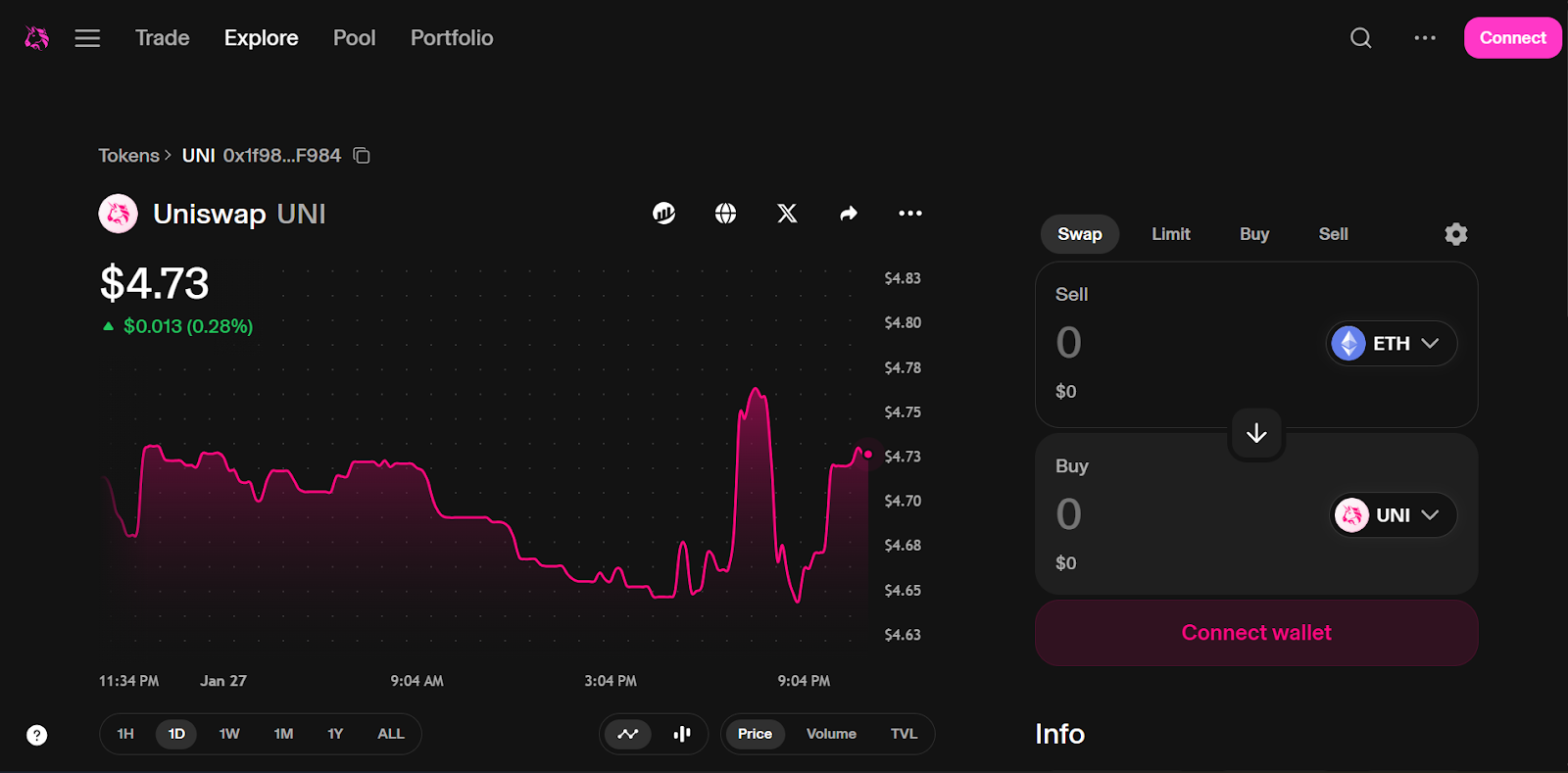
Uniswap is a decentralized exchange (DEX) that allows users to trade tokens directly from their wallets without relying on intermediaries. UNI, its governance token, is an ERC-20 token that empowers holders to vote on protocol upgrades and changes.
Uniswap has been instrumental in the rise of decentralized trading, offering liquidity pools and automated market-making. The UNI token represents governance and symbolizes the community-driven ethos of the DeFi movement.
5. MakerDAO (DAI)
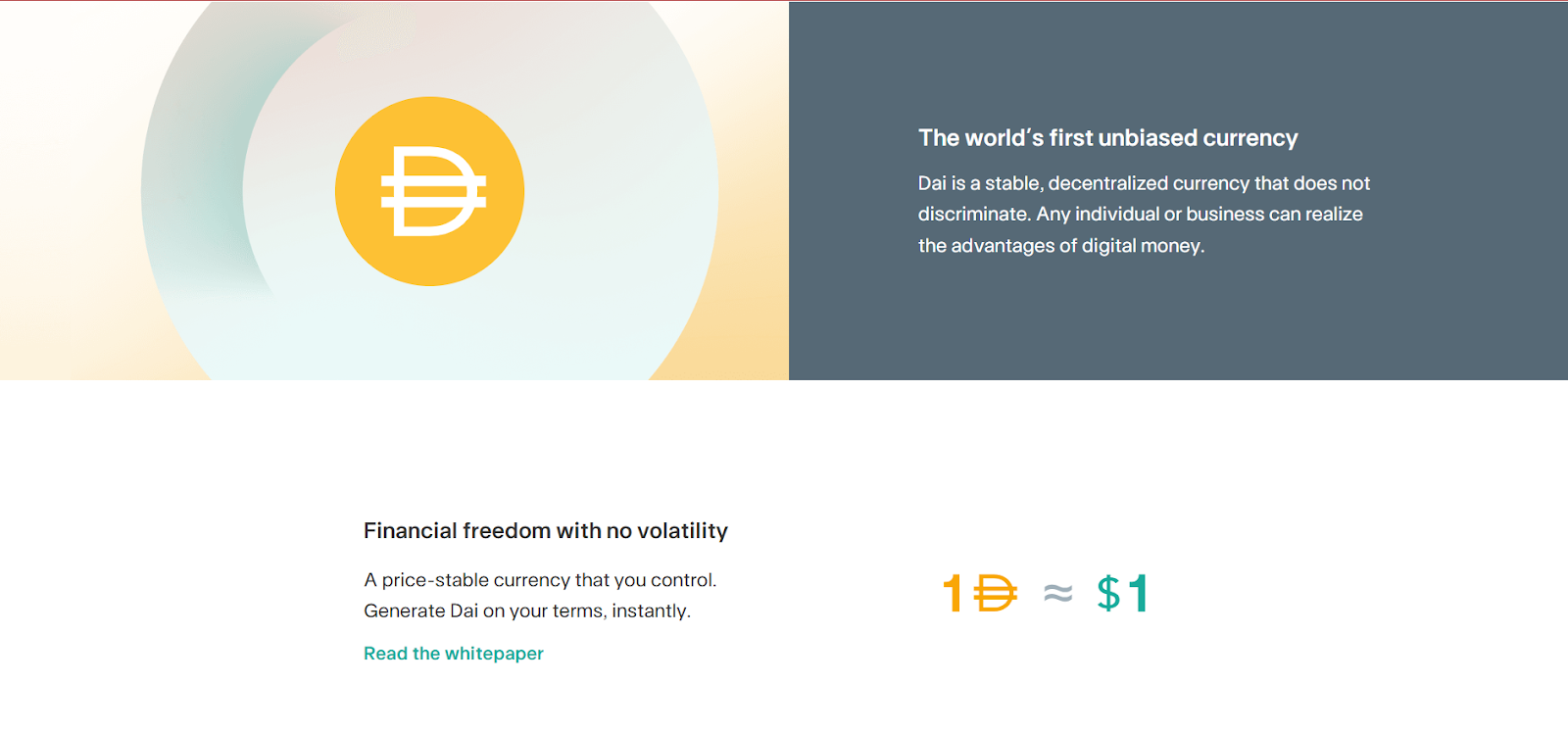
MakerDAO created DAI as a decentralized stablecoin and designed it to track the value of the US dollar. Rather than relying on fiat holdings, it uses a combination of cryptocurrencies to maintain its stability. This unique approach ensures decentralization and resilience within the Ethereum ecosystem.
As an ERC-20 token, DAI is widely used in DeFi applications, from lending and borrowing to yield farming. Its stability and decentralized feature make it useful to the Ethereum network, empowering users to transact without relying on centralized entities.
6. Shiba Inu (SHIB)
Shiba Inu started as a meme token but has since evolved into a significant player in the crypto space. As an ERC-20 token, SHIB benefits from Ethereum’s robust infrastructure, making it accessible across various platforms and exchanges.
Over time, the token has gained a loyal community and has been integrated into several DeFi projects. Its journey from a meme to a utility token highlights the flexibility and potential of ERC-20 tokens in driving innovation.
7. Wrapped Bitcoin (WBTC)
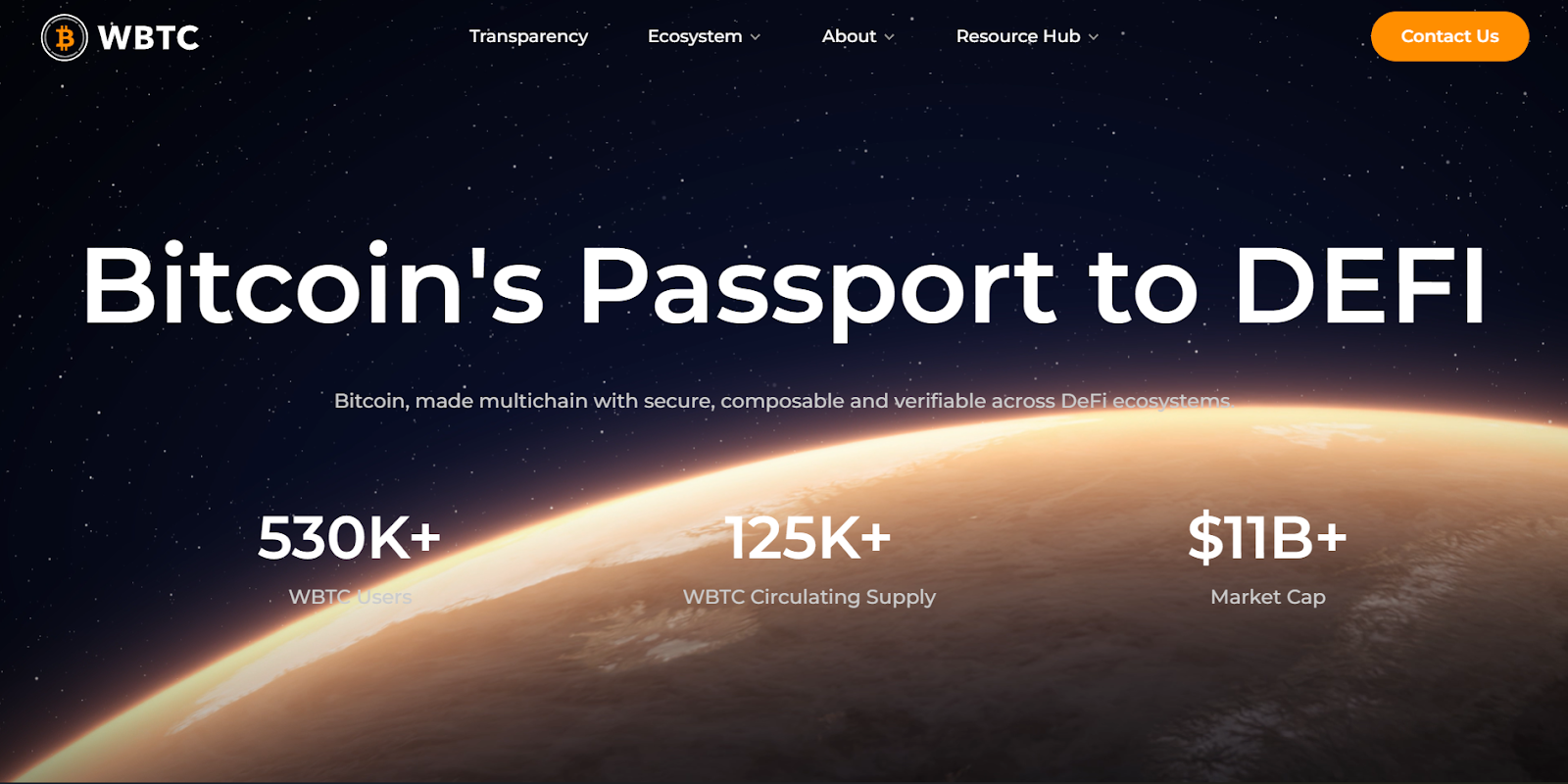
Wrapped Bitcoin is an ERC-20 token that allows Bitcoin to be used within Ethereum’s ecosystem. It allows Bitcoin holders to participate in Ethereum’s DeFi ecosystem without selling their BTC. WBTC combines the value of Bitcoin with the flexibility of Ethereum, bridging two major blockchain networks.
WBTC is widely used in DeFi applications, enabling users to lend, borrow, and trade Bitcoin in a decentralized manner. Its success demonstrates the power of tokenization and the interoperability enabled by the ERC-20 standard. These tokens showcase the diversity and impact of the ERC-20 standard, driving innovation and adoption across the blockchain industry. Whether you’re exploring stablecoins, governance tokens, or DeFi applications, ERC-20 tokens are at the heart of Ethereum’s thriving ecosystem.
Real-World Use Cases of ERC-20
ERC-20 tokens are not just a technical standard. They power everyday activity across the Ethereum network by making digital assets easy to use, move, and manage. With a single wallet address, you can hold multiple ERC-20 tokens and interact with apps built on smart contract logic without switching systems or tools. Here are the most common real-world ways ERC-20 tokens are used today, showing why this standard remains essential.
Decentralized Finance (DeFi)
ERC-20 tokens are the backbone of the DeFi ecosystem, powering platforms that offer lending, borrowing, and yield farming. These tokens enable users to interact with smart contracts, automating financial transactions without the need for intermediaries. As a result, this has democratized access to financial services, allowing anyone with a wallet to participate.
For example, DeFi platforms like Aave and Compound rely on ERC-20 tokens to facilitate liquidity pools and reward users. Moreover, the ability to use a single wallet address across multiple platforms has made DeFi more accessible and user-friendly, driving its rapid adoption.
Stablecoins
Stablecoins, such as USDT and USDC, are among the most popular ERC-20 tokens. These tokens are pegged to fiat currencies like the US dollar, providing a stable store of value in the volatile cryptocurrency market. Their compatibility with the Ethereum network ensures they can be used across a wide range of applications, from trading to cross-border payments.
Moreover, the integration of stablecoins with smart contracts has further expanded their utility. For example, they are often used as collateral in DeFi platforms, enabling users to borrow funds or earn interest without exposing themselves to market volatility.
Governance
Governance tokens, another key use case of ERC-20, empower users to participate in the decision-making processes of decentralized platforms. These tokens allow holders to vote on protocol upgrades, funding allocations, and other critical decisions, ensuring that platforms remain community-driven.
For example, projects like Uniswap and MakerDAO use governance tokens to involve their communities in shaping the future of their platforms. Notably, this decentralized approach to governance has become a defining feature of the Ethereum ecosystem, fostering transparency and collaboration.
Asset Tokenization
ERC-20 tokens have enabled the tokenization of real-world assets, including real estate, art, and commodities. Representing these assets on the blockchain allows for fractional ownership, making high-value investments accessible to a wider audience. This approach democratizes investment opportunities and reduces barriers to entry for individuals.
A smart contract standard-compliant token ensures that processes like ownership transfers and dividend distributions are automated and secure. Smart contracts play a pivotal role in this innovation, enhancing efficiency and transparency while transforming traditional industries. Asset tokenization continues to showcase the versatility and potential of ERC-20 tokens in reshaping how assets are managed and traded.
ERC-20 vs Other Token Standards
ERC-20 tokens have set the foundation for fungible tokens on the Ethereum network, but other token standards have emerged to address specific use cases. We compare ERC-20 with other popular token standards, highlighting their unique features and applications.
ERC-721 (NFTs)
| Feature | ERC-20 (Fungible Tokens) | ERC-721 (Non-Fungible Tokens – NFTs) |
| Token Type | Fungible (interchangeable and identical) | Non-fungible (unique and distinct) |
| Use Case | Cryptocurrencies, stablecoins, governance tokens | Digital art, collectibles, real estate |
| Ownership | Shared ownership across multiple tokens | Single ownership per token |
| Smart Contract Role | A smart contract standard-compliant token ensures seamless transactions | Tracks unique metadata for each token |
| Examples | USDT, USDC, LINK | CryptoPunks, Bored Ape Yacht Club |
BEP-20 (BNB Chain)
| Feature | ERC-20 (Ethereum Network) | BEP-20 (BNB Chain) |
| Blockchain | Ethereum | Binance Smart Chain (BSC) |
| Transaction Fees | Higher due to Ethereum’s gas fees | Lower fees on BSC |
| Interoperability | Compatible with Ethereum-based dApps | Compatible with BSC and cross-chain platforms |
| Use Case | DeFi, stablecoins, governance tokens | DeFi, gaming, cross-chain assets |
| Examples | DAI, UNI, SHIB | BNB, CAKE, BUSD |
ERC-1155 (Gaming/Multitoken)
| Feature | ERC-20 (Fungible Tokens) | ERC-1155 (Multitoken Standard) |
| Token Type | Single type of fungible token per contract | Supports both fungible and non-fungible tokens |
| Use Case | Cryptocurrencies, stablecoins, governance tokens | Gaming assets, in-game currencies, collectibles |
| Efficiency | Requires separate contracts for each token type | Allows multiple token types in a single contract |
| Smart Contract Role | A smart contract standard-compliant token ensures compatibility | Reduces gas costs and improves scalability |
| Examples | LINK, USDT, UNI | Enjin Coin, Decentraland |
Benefits and Limitations of ERC-20 Tokens
ERC-20 tokens have become a cornerstone of the Ethereum network, offering numerous advantages while also presenting certain challenges. Here are the key benefits and limitations of ERC-20 tokens.
Benefits
- Interoperability: ERC-20 tokens are compatible with all Ethereum-based wallets, exchanges, and decentralized applications, ensuring seamless integration.
- Ease of Use: A single wallet address can manage multiple ERC-20 tokens, simplifying asset management for users.
- Standardization: The ERC-20 standard provides a consistent framework for token creation, reducing development complexity.
- Wide Adoption: Thousands of projects use ERC-20 tokens, making them a trusted and widely recognized standard in the blockchain ecosystem.
- Smart Contract Integration: Tokens can interact with smart contracts, enabling automated and secure transactions.
Limitations
- High Gas Fees: Transactions involving ERC-20 tokens can be costly due to Ethereum’s network congestion and gas fees.
- Scalability Issues: The Ethereum network’s limited throughput can lead to slower transaction times during periods of high demand.
- Lack of Flexibility: ERC-20 tokens are fungible, which limits their use in applications requiring unique or non-fungible assets.
- Human Error Risks: Sending tokens to an incompatible address or contract can result in permanent loss of funds.
- Competition: Emerging token standards like ERC-721 and ERC-1155 offer features that ERC-20 lacks, such as support for non-fungible and multitoken assets.
The Future of the ERC-20 Standard
ERC-20 tokens have established themselves as the foundation of the Ethereum blockchain network, driving innovation and adoption across various industries. As blockchain technology continues to evolve, the ERC-20 standard is expected to adapt and expand its role in shaping the future of decentralized ecosystems.
One of the key areas of growth lies in scalability and efficiency. With Ethereum’s transition to Ethereum 2.0 and the implementation of layer-2 solutions, developers are addressing the limitations of high gas fees and network congestion. As a result, these advancements will enhance the usability of ERC-20 tokens, making them more accessible to a broader audience.
Another promising development is the integration of ERC-20 tokens with cross-chain technologies. As interoperability between blockchains improves, ERC-20 tokens will likely play a pivotal role in connecting different networks, enabling seamless asset transfers and collaboration across ecosystems.
Lastly, the rise of decentralized finance (DeFi) and tokenized assets also points to a bright future for ERC-20. As more industries explore blockchain applications, the demand for a reliable and standardized token framework will continue to grow. ERC-20’s proven track record and widespread adoption position it as a key player in this expansion.
Conclusion
The ERC-20 standard has proven to be a transformative force in the blockchain industry, serving as the foundation of the Ethereum blockchain network. Its standardized framework has enabled the creation of fungible tokens that are interoperable, efficient, and widely adopted across decentralized applications, exchanges, and wallets. While ERC-20 has its limitations, such as high gas fees and scalability challenges, ongoing advancements like Ethereum 2.0 and layer-2 solutions are addressing these issues.
The standard’s adaptability ensures its continued relevance as blockchain technology evolves, particularly in areas like decentralized finance (DeFi), tokenized assets, and cross-chain interoperability. As the blockchain ecosystem grows, ERC-20 will remain a cornerstone of innovation, driving the development of new applications and use cases. Ultimately, its impact on the Ethereum network and the broader blockchain space underscores its importance as a reliable and versatile token standard.
FAQs
ERC-20 stands for “Ethereum Request for Comment 20”, which is a technical standard used for creating and managing fungible tokens on the Ethereum blockchain. It defines a set of rules that all ERC-20 tokens must follow, ensuring compatibility across wallets, exchanges, and decentralized applications.
No, ERC-20 is not the same as ETH. ETH (Ether) is the native cryptocurrency of the Ethereum blockchain, while ERC-20 refers to a token standard used to create fungible tokens on the Ethereum network. ERC-20 tokens are built on Ethereum but are distinct from ETH itself.
To get your ERC-20 wallet address, you need to create a wallet that supports Ethereum and ERC-20 tokens, such as MetaMask, Trust Wallet, or Coinbase Wallet. Once your wallet is set up, your Ethereum wallet address will also serve as your ERC-20 wallet address, as both use the same address format.
ERC-20 tokens are generally safe as they follow a standardized protocol, but their safety depends on the specific token and the project behind it. Always research the token and its team before investing, and use secure wallets to store your tokens. Be cautious of scams and phishing attempts.
Yes, you need ETH to send an ERC-20 token because Ethereum is used to pay for the gas fees required to process the transaction on the Ethereum network. Without ETH in your wallet, you won’t be able to complete the transaction.
The cost of ERC-20 token transactions in gas fees varies depending on the network’s congestion and the complexity of the transaction. Specifically, gas fees are measured in gwei (a fraction of ETH), and during high network activity, fees can become significantly higher. Using layer-2 solutions or transacting during off-peak times can help reduce costs.
