Foreign platforms, including crypto, prediction market, and web3 apps that rely on third-party aggregators to accept QR Ph payments could soon lose access to Philippine domestic payment rails under proposed regulations from the Bangko Sentral ng Pilipinas (BSP).
The draft circular introduces sweeping amendments to the Manual of Regulations for Payment Systems (MORPS), specifically targeting “layered merchant arrangements” which are multi-tiered payment setups where middleman aggregators sit between local acquiring banks and underlying sellers or platforms.
If approved as written, the rules will effectively eliminate the regulatory workarounds used by foreign platforms to process local e-wallet and bank transfers.
Prohibiting Middlemen for Crypto and High-Risk Sectors
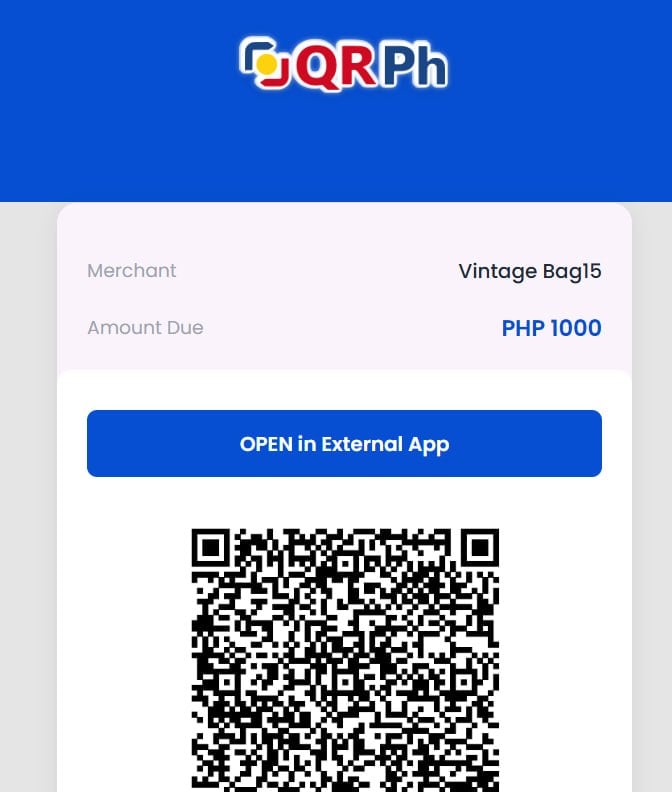
In recent months, offshore platforms, ranging from prediction markets like Polymarket (routing deposits via third-party infrastructure provider Fun.xyz) to stablecoin payment apps have made QRPh checkout options available to Philippine residents. These arrangements allow users to scan a QRPh code using local e-wallets, while a third-party intermediary handles the fiat-to-crypto conversion and local settlement.
[Note] Beyond Web3: While offshore prediction markets and crypto apps are the most visible edge cases, the BSP's draft rules apply universally across the Philippine financial system. By targeting pooled accounts, sub-licensing, and masked merchant data, the regulator is effectively ending anonymous or grouped payment processing for all domestic e-commerce aggregators and payment service providers.
Under Section 1003.2(e) of the proposed circular, this model will no longer be permitted for high-risk entities. The draft mandates that Virtual Asset Service Providers (VASP), online gambling operators, casinos, adult content platforms, and Money Service Businesses (MSB) can only operate through a Direct Merchant Arrangement.
A local BSP-supervised acquiring institution must maintain a direct contractual relationship with the actual merchant or platform. The acquirer is required to perform Enhanced Due Diligence (EDD), verify beneficial ownership, enforce settlement limits, and monitor transactions directly. Payment aggregators will be strictly prohibited from acting as buffer layers for crypto platforms.
National QR Database to Track End-Beneficiaries
To prevent foreign entities from using generic or pooled QRPh codes, Section 1201.3 of the draft establishes a centralized National QR Code Merchant Database, operated by the BSP or the Payment System Management Body (PSMB).
The database will serve as a single repository storing verified merchant profiles, including:
- Unique National QR Ph identifiers and credentials
- Verified settlement account numbers and account-holder identities
- Business registration details, store addresses, and beneficial owners
- Real-time risk ratings and sanctions-screening statuses
If a transaction originates from an unverified merchant or an undisclosed payment aggregator, participating banks and e-wallets will receive automated status alerts to restrict or block the transfer.
12-Month Freeze on New Payment Licenses
To keep firms from rushing to register new entity structures while the framework is finalized, Section 7(c) imposes a 12-month moratorium on accepting and processing new Operator of Payment System (OPS) registrations.
Existing BSP-supervised institutions will have six months from the circular’s effectivity date to audit their existing merchant relationships, and an additional six months to fix or terminate non-compliant layered arrangements.
The draft also tightens operational reporting: institutions must notify regulators of material fraud, scams, or unauthorized merchant activity within 24 hours of detection, followed by a complete investigation report within five business days.
Impact on Philippine Access
The proposed framework could radically change the intersection of local traditional finance and global web3 platforms as they currently happen in the Philippines:
- For local users, third-party QRPh top-ups on offshore crypto exchanges, prediction markets, and foreign crypto cards will likely be restricted unless those platforms secure direct acquiring relationships with BSP-licensed institutions or obtain local VASP licenses.
- For local banks and payment providers, the draft removes plausible deniability as the rules require complete end-to-end transparency over every merchant and transaction moving across Philippine payment networks.
This article is published on BitPinas: BSP Draft Rules Seek to Block QR Ph Workaround Used by Offshore Apps
What else is happening in Crypto Philippines and beyond:
