Key Takeaways
- Russia’s new crypto bill caps non-qualified investors at a $3,800 limit to mitigate high market risks.
- The law launches Sept. 1 alongside the digital ruble, granting qualified buyers ten times this limit.
- Investors can freely transfer crypto abroad but lose Russian legal protection against foreign seizures.
Bank of Russia Ratifies Openness Of Crypto Ecosystem: ‘No Restrictions for Transferring Crypto Abroad’
The Bank of Russia has come to the defense of the recently passed cryptocurrency bill, which establishes clear distinctions between qualified and non-qualified investors, pushing lower purchasing limits for the former group.
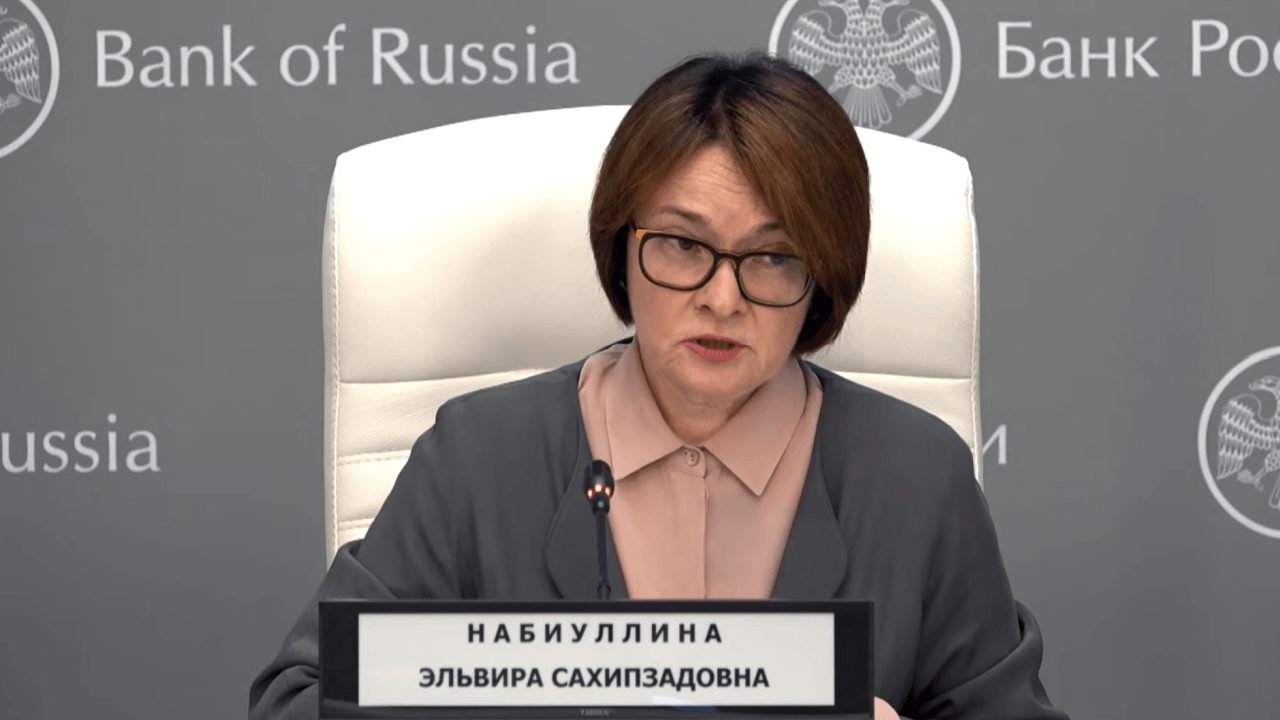
On Friday, during a press conference following a Board of Directors’ meeting, Bank of Russia Governor Elvira Nabiullina ratified the need to establish this distinction, stressing that it was not limited to the cryptocurrency world and was a common element in regulation.
“Non-qualified investors have fewer opportunities because the government, through legislation, tries to protect them to avoid them embracing the risks that they don’t understand,” Nabiullina declared.
She also stressed these measures covered the crypto ecosystem, as digital assets can be seized from lawful owners abroad if they are suspected of having any links with Russia, and because of the crypto market’s volatility.
Bill No. 1194918-8, which is expected to become effective on September 1 alongside the long-awaited and recently confirmed rollout of the digital ruble, Russia’s central bank’s digital currency (CBDC), establishes a 300,000-ruble ($3,800) purchasing limit for non-qualified investors, while qualified investors enjoy limits ten times higher.
Nonetheless, Nabiullina highlighted the openness of the Russian crypto ecosystem, stressing that there were no limitations for repatriating and transferring digital assets abroad, just like in the current regulatory regime.
“Transfer of ordinary foreign currency to foreign accounts is not limited because that might be necessary in order to pay for health care services, for education,” Nabiullina said, but called on investors to be aware that when receiving these funds abroad, they would not have the protections of Russian Law.
“If they run into any problems, they will have to try and solve them inside a foreign jurisdiction. We recently saw that such assets in foreign jurisdictions were subjected to closure, foreclosure, and were blocked,” she concluded.
